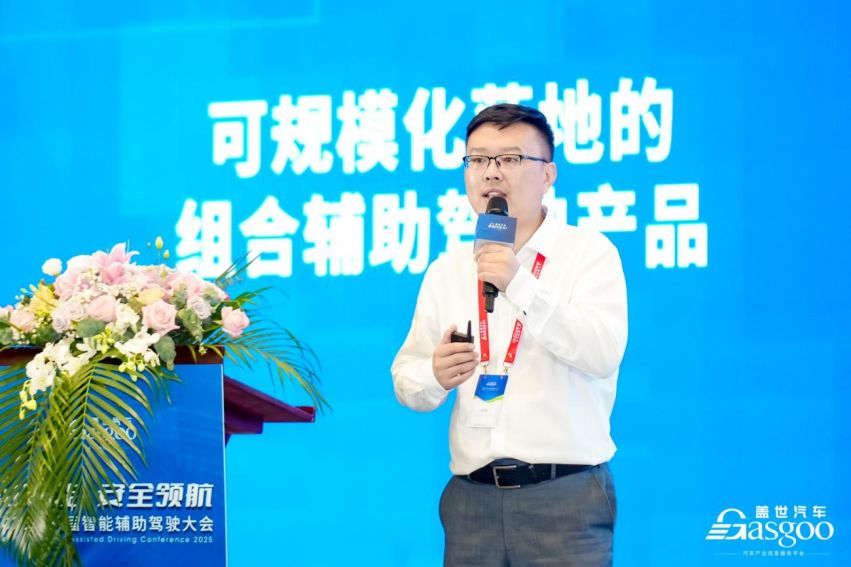
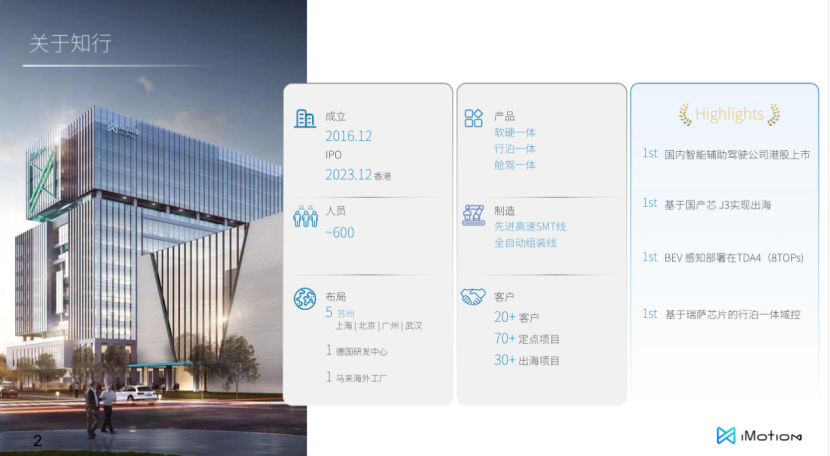
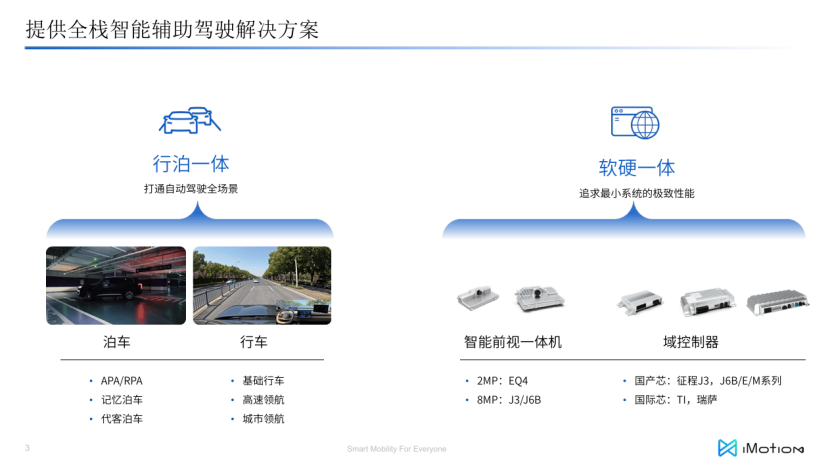
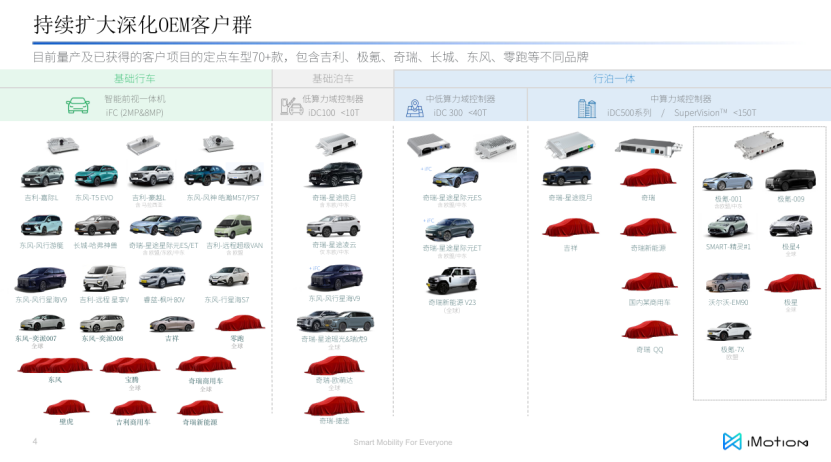
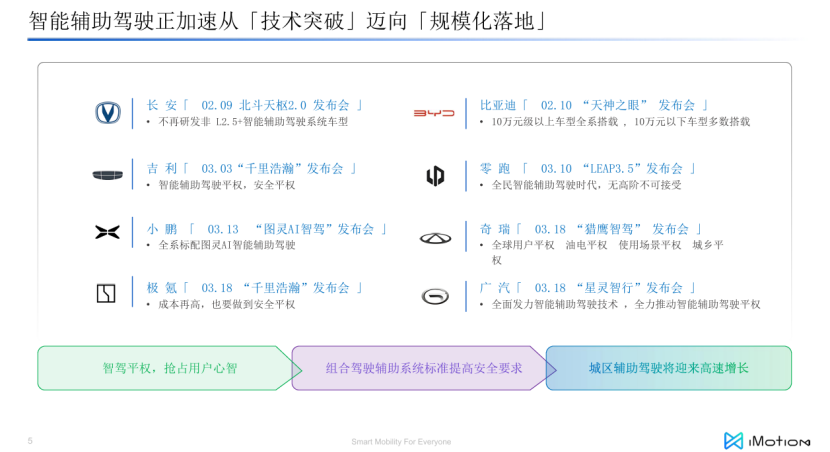
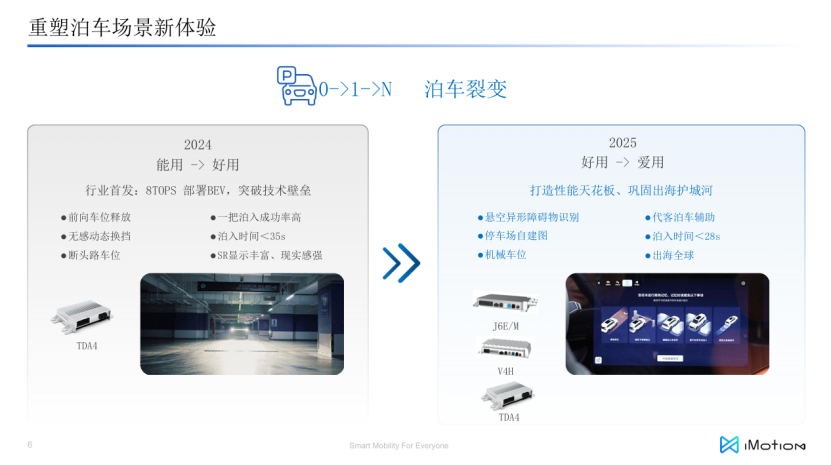
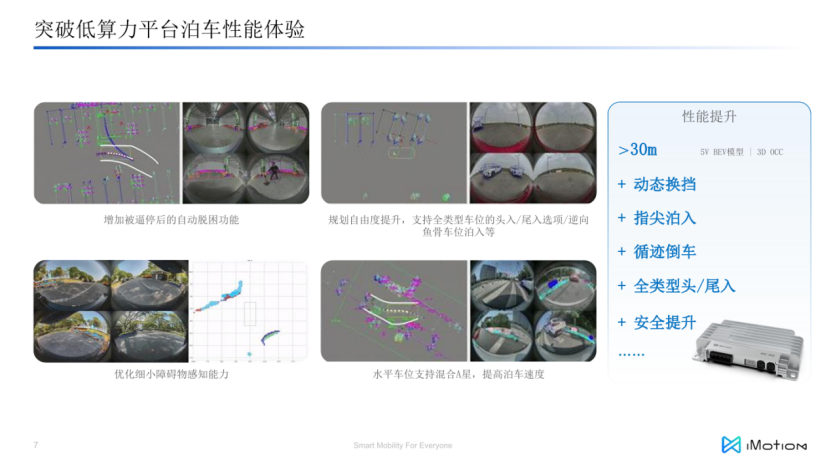
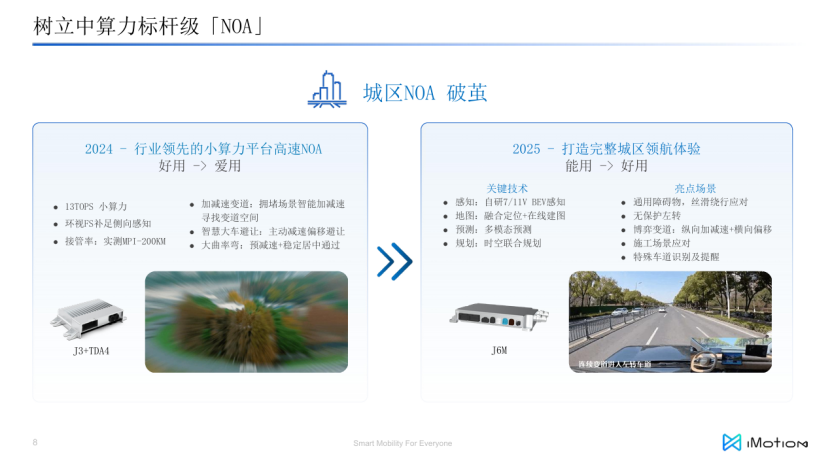
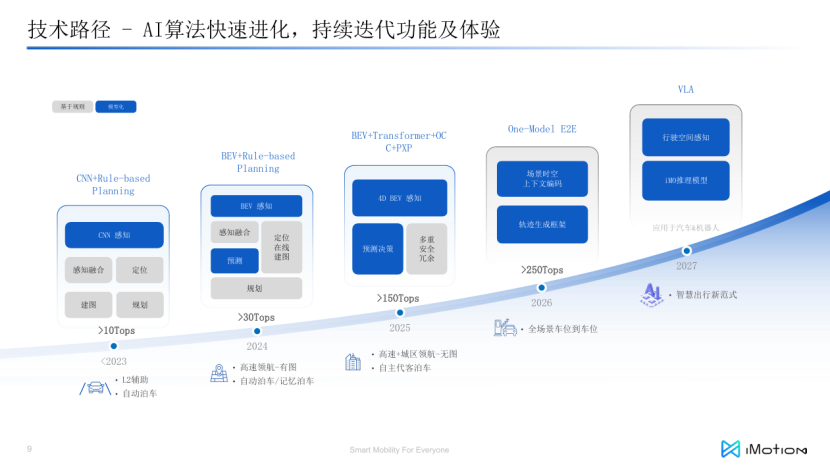
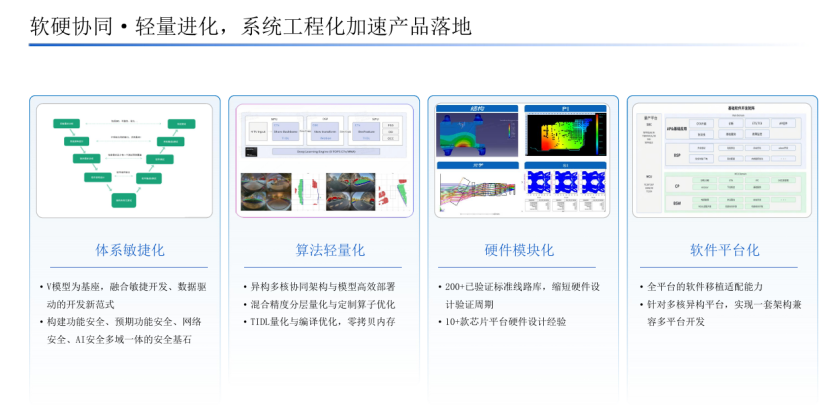
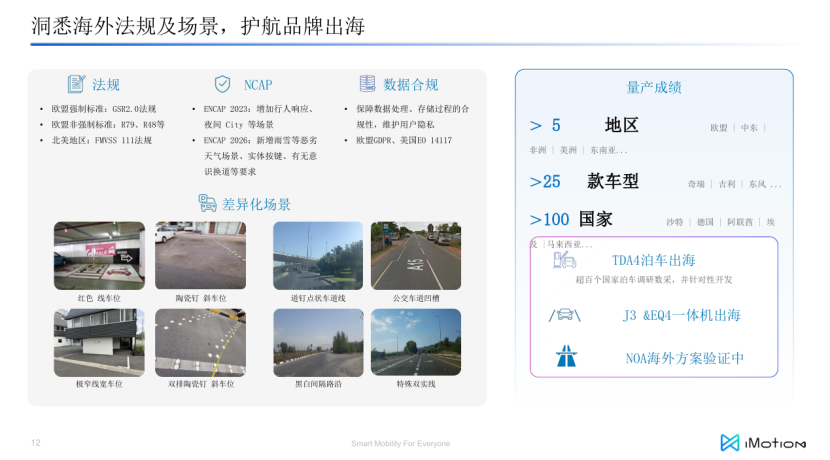
Current driver assistance technology is rapidly transitioning from technical validation to large-scale implementation. As the 'first stock of driver assistance' in the Hong Kong stock market, ZhiXing Technology has been deeply engaged in integrated soft and hardware solutions since its establishment in 2016, forming a technical system that covers intelligent front-view integration machines and domain controllers. By 2025, the company has secured over 70 model designations, with mass production deliveries spanning over 70 vehicle models across more than 100 countries and regions. On July 22, 2025, Xu Jian, Product Director of ZhiXing Technology, stated at the 8th Intelligent Driver Assistance Conference that through modular development architecture, data-driven iterations, and a global compliance system, they have achieved the large-scale implementation of advanced integrated driving and parking solutions in mainstream models priced at 100,000 yuan, promoting the democratization of driver assistance technology. ZhiXing Technology, established in December 2016, completed its listing on the Hong Kong stock market in December 2023. The company has a team of about 600 people, with its headquarters located in Suzhou, and additional branches in Shanghai, Beijing, Guangzhou, Wuhan, and Germany, as well as an overseas factory in Malaysia. The company focuses on full-stack driver assistance solutions that cover driving and parking scenarios, including basic driving, highway navigation, automatic parking (APA), remote parking (RPA), memory parking, and valet parking functions. The hardware product matrix is divided into two main series: intelligent front-view integration machines (iFC) and domain controllers (iDC). The front-view integration machines provide 2 million pixel (based on EQ4 chip) and 8 million pixel (based on ZhiCheng J3/J6B chips) solutions, while the domain controllers are equipped with domestic chips (ZhiCheng J3/J6B/E/M series) and international chips (TI TDA4, Renesas V4H), supporting full-platform adaptability from low computing power (<10TOPS) to medium computing power (<150TOPS). In terms of manufacturing, the company possesses SMT production lines and fully automated assembly lines, with a capacity of over a million units. They have served over 20 clients and more than 70 designated projects, with over half having achieved mass production deliveries, including 25 vehicle models exported to over 100 countries and regions, including high-regulation markets like the EU and the Middle East. Key milestones include being the first stock of driver assistance listed on the Hong Kong stock market; the first export of ADAS products based on the ZhiCheng J3 chip; the first mass production of Bev parking algorithms on the TDA4 platform; and the unique implementation of high-level integrated driving and parking delivery based on the Renesas V4H chip. As of early 2024, driver assistance technology has entered an accelerated phase of democratization, with multiple car manufacturers offering highway navigation and automatic parking solutions down to models priced around 100,000 yuan, while some models have seen configuration thresholds lowered to 70,000 yuan. Lidar solutions have also penetrated the market for cars priced at around 130,000 yuan. This trend marks a shift from technical research to the commercialization phase of driver assistance. However, safety regulations have also significantly increased, with new national standards for level 2 driver assistance imposing higher requirements on perception capabilities and testing validation, prompting manufacturers to frequently focus on the ability to handle challenging scenarios. Industry feedback indicates that pure vision solutions face bottlenecks, with more advanced driver assistance configurations leaning towards lidar solutions, driving system development towards safer and more reliable directions. In response, ZhiXing Technology has optimized algorithms and engineering capabilities to deploy advanced functions on low-computing power platforms, such as the Bev parking algorithm based on the TDA4 platform (8TOPS), dynamically supporting 3D OCC perception to address complex issues like suspended obstacles. For parking scenarios, ZhiXing Technology has achieved performance breakthroughs on low-computing power platforms. By integrating the Bev model with 3D OCC technology, the system supports dynamic shifting, fingertip parking, and trajectory reversing functions, enhancing planning flexibility by allowing for front-in/rear-in options and reverse fishbone parking. Since April 2024, continuous iterations have resolved issues related to insufficient obstacle avoidance capabilities by adding an automatic escape function when forced to stop; optimized the perception of small obstacles to improve parking safety; and increased parking speeds by over 30% in horizontal parking spaces using a hybrid A-star algorithm. Currently, this solution has been deployed on platforms like TDA4, ZhiCheng J6E/J6M, and has verified special scene adaptability in overseas markets, such as red line parking spaces and ceramic nail slanted parking spaces. The next step will be to incorporate valet parking and other advanced features into low-computing power platforms. Regarding urban navigation, ZhiXing Technology is advancing technical iterations based on medium-computing power platforms. In 2024, they achieved a closed-loop memory driving function on the ZhiCheng J6M platform, integrating self-developed 7V/11V Bev perception models with online positioning technology, completing demo validation in Suzhou. Key technologies include fusion positioning, multi-modal prediction, and spatio-temporal joint planning, supporting unprotected left turns, construction scenario responses, and special lane recognition. In terms of algorithms, traditional CNN perception regulation development was completed in 2023; mass production of the Bev model is planned for 2024; and a focus on advancing a two-stage end-to-end solution is set for 2025, with the parking system ready and the driving system entering real vehicle verification stages. Future layouts include preliminary research on One Model end-to-end technology and VLA large model applications by 2026. Data-driven approaches are core support: large models automatically mine high-value scenarios, covering over 300 segmented scenarios; a cloud pre-labeling system reduces labeling costs by 85% and cycles by 90% through 4D dynamic truth production; and simulation data generation strengthens edge case scenarios, enhancing algorithm generalization capabilities. System engineering capabilities are the foundation for mass production implementation. ZhiXing Technology adopts the V model to integrate agile development paradigms, achieving algorithm lightweighting. For instance, the Bev model is optimized on the TDA4 platform with DSP operator development achieving 2D to 3D output; hardware modularization has accumulated over 200 standard line libraries, shortening design cycles; and software platform sharing model data lowers development costs. The overseas layout focuses on regulatory adaptation and scenario differentiation: completing certifications for EU GSR2.0, R79, and ENCAP 2023 standards; ensuring data compliance with GDPR through anonymization; and mass production projects spanning five major regions and over 100 countries, developing targeted solutions for special scenarios like ceramic nail slanted parking spaces and point-based lane markings. The business model is flexible and diverse, supporting full-stack delivery of hardware and software, hardware base software customization, functional algorithm modules, and separate engineering technical services. Looking ahead, ZhiXing Technology will continue to optimize the integrated driving and parking solutions on low-computing power platforms, enhancing perception performance based on the ZhiCheng J6B; urban navigation functions are expected to transition from 'usable' to 'user-friendly' experiences by 2025. Challenges primarily focus on safety validation for advanced functions and global compliance costs—such as the full-scene technical validation for VLA large models requiring massive data support, while data return and localized adaptation in high-regulation overseas areas will increase development cycles. Through data loops and modular R&D, the company aims to achieve a full-link 'space to space' technological integration by 2026, promoting the large-scale penetration of driver assistance in mainstream markets.
ZhiXing Technology Accelerates the Implementation of Advanced Driver Assistance Systems
Images
Share this post on: